What Happens to Canna Oil at High Temperatures
Hey newcomer, want to know how to brand canna oil scratch? You've come to the right spot! Nosotros've got you covered.
The beginning matter you lot'll need to learn is how to prepare your cannabis for infusion. It seems easy but requires a bit of know-how. I of the acme choices for infusions is canna oil, made from various popular cooking oils.

How long does information technology accept to infuse canna oil? It can take anywhere from 40 minutes to vi hours. The time varies according to method. Virtually methods take effectually ane to 2 hours for the actual infusion, with a couple more hours for preparation work. That said, you don't desire to blitz the process. Be prepared to set bated plenty of fourth dimension to make your batch of oil because in that location'southward more to infusion than just the heating fourth dimension. Y'all may spend several hours to practice this correct, just the event will exist worth information technology.
Plus, we've provided this thorough guide that should make the process simple enough. And if you're looking for some excellent flower to apply in your new canna oil recipes, endeavor California's best marijuana subscription box! With Nugg Lodge, you'll receive $225 worth of dispensary quality cannabis products for only $99! That's 5 to 7 full-sized, name brand products (yep with THC). Want more products? Add unlimited extras to your box from the Nugg Club wholesale market for 40% to 60% off retail prices.
Read through, then get fix. Yous're on the style to cooking with cannabis!
Start things kickoff: Decarboxylation
You can't complete any cannabis oil recipe with raw, un-decarboxylated cannabis flower. Raw cannabis flower does not contain THC or CBD. Instead, it has potential THC or CBD. Cannabis bloom contains cannabinoids in their acrid forms. The important ones, in this instance, are THCA and CBDA. Neither produces the effects consumers seek from THC or CBD.
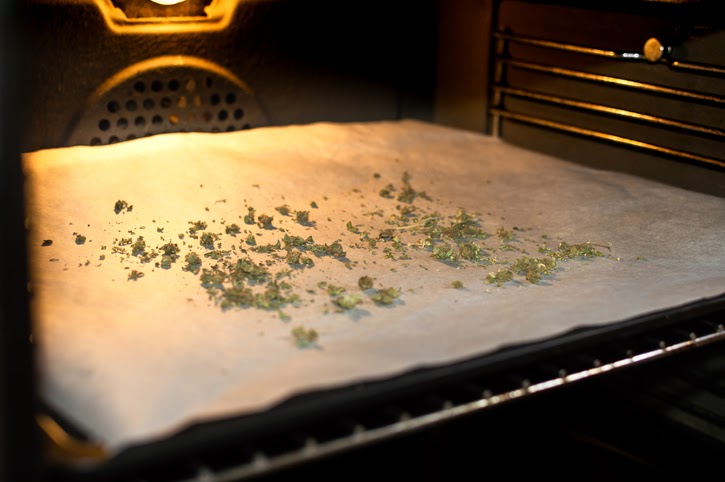
It takes heat to convert the cannabinoids to THC and CBD suitable for feeling furnishings or infusing oil. The method is chosen decarboxylation or decarbing. The procedure calls for acceptable oestrus applied—more than on that beneath.
Proceed in mind that you tin't decarb your blossom by heating it equally you would oil in a pan. Though, the same idea applies that you want to heat your ingredients without called-for them. When complete, a proper decarbing leaves your pot rich in THC or CBD prepare to swallow.
Be sure to spotter out for the olfactory property if your building or neighborhood isn't canna-friendly. Decarbing and cooking can create quite an odour.
The Decarboxylation Process
Let's get set to decarb. Some may utilize sophisticated tech, but the DIY method works too. First, go your materials in gild:
- A baking tray
- Parchment newspaper
- Cannabis (include the stems and all)
Now, follow these directions:
- Preheat the oven to 225°F
- Break but don't grind your dried bloom into small pieces
- Line a baking tray with parchment paper earlier placing your cleaved cannabis on top. Keep the cannabis placed in a unmarried layer, close to each other on the tray
- Once the oven is preheated, insert the tray on the middle rack. Allow cook for 45 minutes.
- Once complete, remove the tray, allowing it to cool. And so, place the bloom in a sealed container until you're ready to apply
Basic rules for making your own canna oil at home
Before getting into how to make canna oil, let's address some questions:
- What oil should I use for Cannaoil?
Nosotros'll be focusing on a cannabis kokosnoot oil recipe in this article. Though y'all tin use whatever oil you'd like if you follow the steps.
- How do you make Cannabutter oil?
Follow along with the rules below for a general overview. Then, head over to this guide on cooking with cannabis for more than specifics.
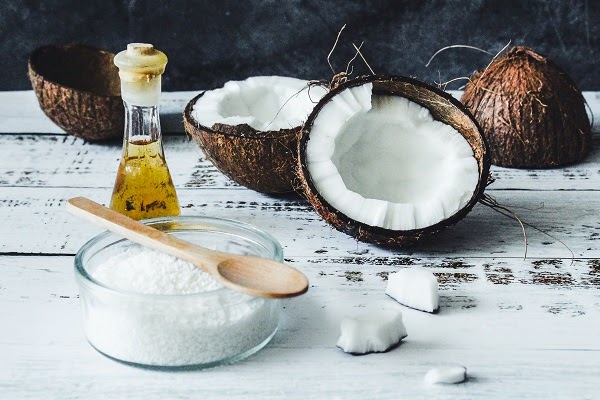
Whether using coconut oil, butter, or otherwise, be sure to follow these general rules:
- THC canna oil starts to degrade at 365°F. Your oil mustn't exceed this temperature at whatever point. Play it safety. Aim for around 240°F.
- The standard dried flower to cooking oil ratio is 1:one (one cup of cannabis to 1 cup oil). Always know and command your dosage. Use an edible dosage calculator to ensure authentic dosing before cooking.
- A successful infusion hinges on the cannabinoids and terpenes bounden to the fat in the oil. Exceeding the ane:1 ratio tin can lead to over-saturating, resulting in wasting excess product. The event tin vary on your oil also. Coconut and butter are ii acme choices.
- Purified coconut oil is the most common pick, though merely connoisseurs and those with food requirements tend to take notice. Employ whatever cooking oil you lot adopt. You lot tin ever try more later.
- Some recommend specific oils because of their smoke point. While true, sticking to a maximum temperature of 240°F should let you lot to use any cooking oil without burning.
- The longer you infuse the oil, the more it breaks down. Be careful; overdoing it can result in excess chlorophyll in your oil, leading to the "green" gustatory modality found in many edibles. Stick to the shorter infusion times if y'all want to avoid the flavor.
Making canna oil in a crockpot
Consider learning how to make canna oil in a crockpot. Every chef has their modifications, but this is the method preferred by many. Crockpots are a top selection because they crave the least attention while reducing the amount of cannabis aroma created.
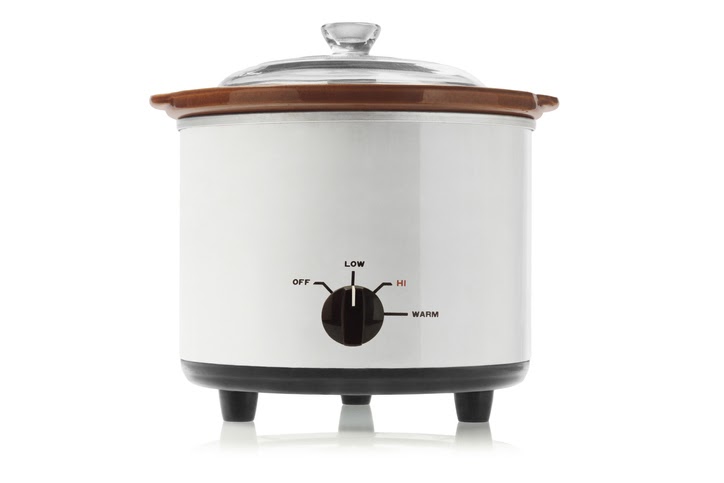
When cooking canna oil with a crockpot, be sure to have the following on mitt:
- 1 loving cup of your preferred cooking oil
- i cup of decarbed cannabis
These steps should work for infusers of whatever skill level:
- Combine your ingredients in the crockpot.
- Set the crockpot on low heat and secure the lid.
- Set for four to half dozen hours, stirring on occasion.
- In one case cooked, turn the crockpot off. Allow the oil to absurd until safe to affect.
- Once cooled, strain the oil into a jar and store for later use--more than on storage below.
If you plan on using a crockpot for cooking your cannabis oil, you may want to consider dedicating a crockpot specifically for this purpose. This is considering it'south tough to get the oil residue off once you use that crockpot for cooking cannabis oil. If the residual isn't completely removed, then it might impact whatsoever meals you melt in the crockpot later, imparting them with the greenish, skunky flavour, or even leaching THC into nutrient that you didn't intend to infuse.
Making canna oil on the stovetop
A crockpot is squeamish but far from the merely suitable option. An everyday saucepan on the stovetop tin can complete the job. Be sure to watch out for the temperature like y'all would with any method. Speaking of temperature, it'due south always wise to have a food-safe thermometer on hand.
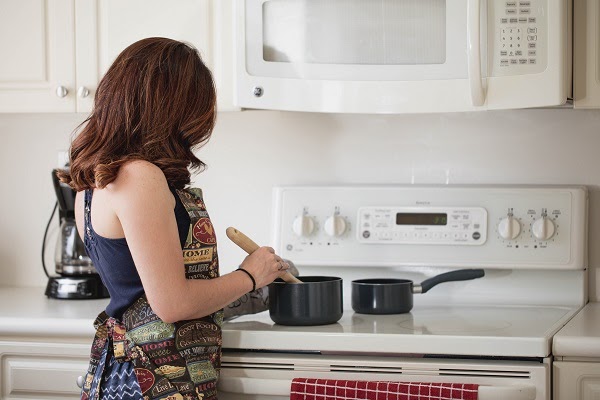
When cooking on the stovetop, have the following on hand:
- 1 cup of your preferred cooking oil
- 1 cup of decarbed cannabis
Then, follow these simple steps:
- Combine your ingredients in an acceptable saucepan
- Turn on the stovetop, aiming for a temperature of 240°F
- Cook for iii hours, stirring on occasion
- Once complete, remove the saucepan from the rut. Permit it to cool until condom to the touch.
- Once cooled, strain into a jar and store.
Using a double boiler to brand cannabis-infused oil
A double boiler is the near fourth dimension-consuming process of the iii mentioned. However, information technology provides immense benefits. Double boilers reduce potential hotspots in your saucepan. Merely like making oil on a stovetop in a bucket, it's a wise idea to have a thermometer on hand. Allowing things to oestrus upwardly too much will degrade your cannabinoid content.
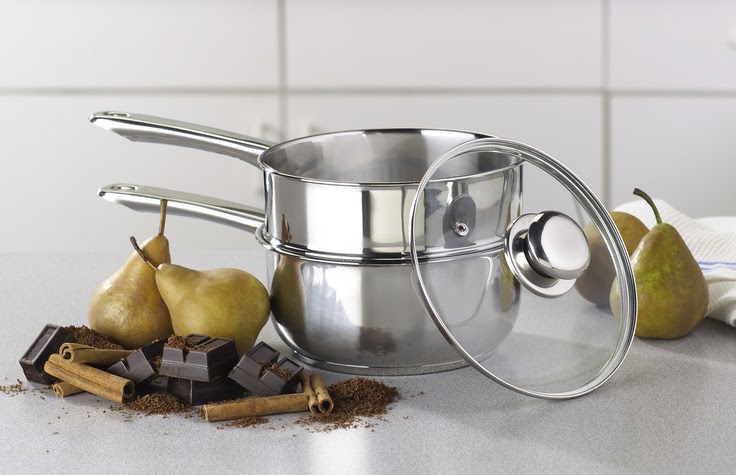
Have the following on hand when cooking on a double boiler:
- 1 cup of your preferred cooking oil
- 1 cup of decarboxylated cannabis
Now, follow these steps:
- Add the water at the base of the double boiler (Pro Tip: Don't have a double boiler? No problem! Y'all can use a saucepan and heat-safe bowl as a replacement. When doing and so, add roughly 1 inch of water to the saucepan. Then, gear up the bowl on top of the pan. Ensure it doesn't touch the water.
- Add together the ingredients to the top of the double boiler or bowl. Set your rut on depression, aim for around 240°F
- Infuse for 4 to 6 hours, stirring on occasion
- Throughout the procedure, monitor the corporeality of water in the saucepan. Top off every bit needed.
Straining your canna oil for storage
Once prophylactic to the touch and cooled, your infused oil is ready to exist strained and stored.
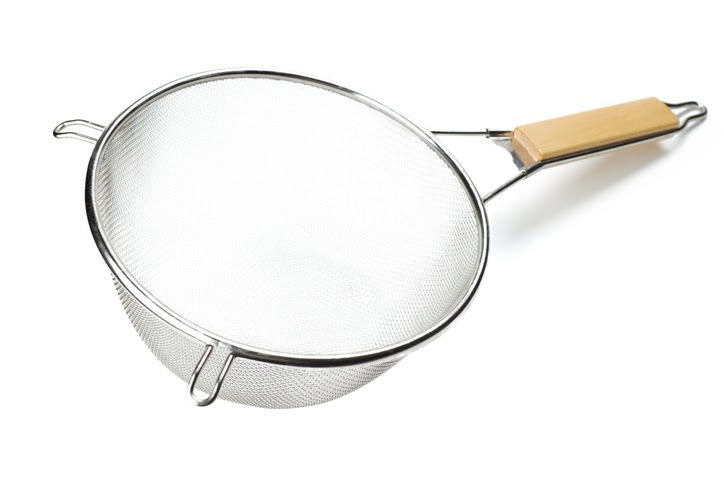
Gear up a strainer lined with folded cheesecloth and cascade the oil through. At that place are other methods, but this tends to avert awkward pours while removing most plant matter. Filtering will take some time, so don't rush the procedure by squeezing the oil through the material. Doing so probable will increment chlorophyll levels in your finish product.
Next, cap and store your oil. Employ an airtight container and keep it in a cool, dark place abroad from children or pets. Yous should label your oil to avoid any confusion. Your oil should last for roughly two months if stored correctly.
Congrats on completing the process! Now you're ready to experiment and refine your infusion methods. Be certain to cheque out our guide on cooking with cannabis for some additional insights.
Source: https://nuggclub.com/blog/how-to-make-canna-oil
0 Response to "What Happens to Canna Oil at High Temperatures"
Post a Comment